
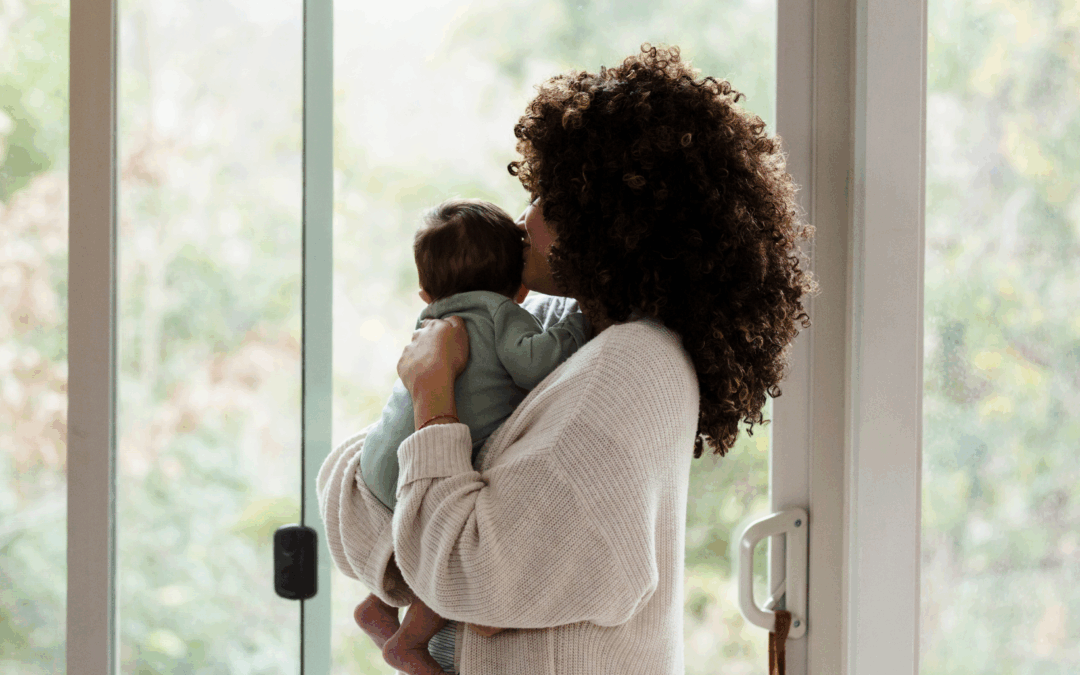
Postpartum anxiety is a real and treatable condition that affects many new mothers, often quietly and unexpectedly.
Unlike the “baby blues,” postpartum anxiety brings persistent worry, racing thoughts, and a constant sense that something might go wrong. The good news: postpartum anxiety responds well to therapy, support, and early intervention—no one has to go through it alone.
In this guide, you’ll learn exactly what postpartum anxiety feels like, how to recognize the symptoms, what causes it, and when to seek support.
What Are the Signs of Postpartum Anxiety vs. the “Baby Blues”?
It’s normal for emotions to shift after birth. Hormones are changing, sleep is fragmented, and life feels new in every direction. But postpartum anxiety goes beyond typical adjustment.
The Baby Blues (Normal Adjustment)
These symptoms usually appear in the first few days after birth and improve within two weeks:
- Mood swings
- Tearfulness
- Feeling overwhelmed
- Mild worry
- Irritability
They’re temporary, and they typically soften as the postpartum period stabilizes.
Signs of Postpartum Anxiety
Postpartum anxiety is more intense, more persistent, and harder to “shake off.” It can include:
- Constant or intrusive worry (“What if something happens to the baby?”)
- Racing thoughts that make it hard to rest
- Physical symptoms like a tight chest, nausea, restlessness, or dizziness
- Difficulty falling asleep even when exhausted
- Irritability or a sense of being constantly “on edge”
- Replaying fears over and over
- Feeling like something terrible is about to happen
These symptoms don’t pass on their own. Without support, postpartum anxiety can interfere with bonding, sleep, daily functioning, or the ability to enjoy early motherhood.
When Does Postpartum Anxiety Start and How Long Can It Last?
Postpartum anxiety can start at any point in the first 12 months after giving birth.
Typical Onset
- Some mothers feel postpartum anxiety within days of delivery.
- Others develop symptoms weeks or months later, especially during transitions like returning to work or changes in baby’s sleep patterns.
How Long It Can Last
- Without support, postpartum anxiety can last months or longer, often becoming harder to manage.
- With therapy, lifestyle adjustments, and sometimes medication, symptoms can significantly improve within weeks to a few months.
There is no shame in how long postpartum anxiety lasts. Every mother’s body and nervous system adjusts differently. Healing is not linear, but it is absolutely possible.
What Causes Postpartum Anxiety and How Can I Reduce the Risk?
There is no single cause of postpartum anxiety. It is a combination of biological, emotional, and environmental factors.
Common Contributors
- Hormonal shifts: A drop in estrogen and progesterone can influence mood and stress sensitivity.
- Sleep deprivation: Chronic exhaustion can heighten worry and reactivity.
- Difficult birth experiences: Unexpected complications or trauma can increase anxiety risk.
- History of anxiety: Previous anxiety or panic episodes often resurface postpartum.
- Overwhelming responsibility: Caring for a newborn can feel high-stakes, triggering constant vigilance.
- Lack of support: Limited help at home increases emotional strain.
Ways to Reduce the Risk
- Prioritize sleep whenever possible (even small naps help regulate mood).
- Create a support plan with your partner, family, or close friends.
- Ask for help early—don’t wait for things to “get bad.”
- Practice grounding techniques like deep breathing or mindfulness exercises.
- Stay connected with other mothers through groups or online communities.
- Process your birth story with a therapist.
Reducing risk doesn’t guarantee prevention, but it builds emotional resilience and reduces the intensity of postpartum anxiety if it appears.
How Is Postpartum Anxiety Treated and When Should I Seek Professional Help?
Postpartum anxiety is highly treatable. The sooner you reach out, the sooner you can feel like yourself again.
Evidence-Based Treatments
- Therapy
- Cognitive Behavioral Therapy (CBT) helps reduce catastrophic thinking.
- Mindfulness-based therapy helps calm the nervous system.
- Postpartum-focused therapy helps mothers understand and process their fears.
- Medication (If Needed)
- SSRIs and other medications can safely be used postpartum, including while breastfeeding (always under a doctor’s care).
- Support Systems
- Postpartum support groups
- Partner involvement
- Help with childcare or household needs
When to Seek Help
Reach out to a mental health professional if:
- Your worry feels constant or out of proportion.
- You struggle to sleep even when you have the chance.
- You feel afraid something is wrong with you or the baby, even when doctors reassure you.
- Your thoughts feel intrusive or hard to control.
- You feel unlike yourself.
Seeking help for postpartum anxiety is an act of strength—not a sign of failure.
What Postpartum Anxiety Really Feels Like (A Real-Life Example)
Many mothers describe postpartum anxiety as a “buzzing” inside the body—like their nervous system is in overdrive.
For example:
A mother may check the baby’s breathing repeatedly at night, convinced something could go wrong. She may replay scenarios in her mind, imagining worst-case outcomes.
During the day, she may feel restless, unable to sit still, even when she’s exhausted. She might feel guilty for not simply “enjoying” motherhood the way she expected to.
These experiences don’t mean she’s weak. They mean her body is working overtime to keep her baby safe. Therapy helps dial down that instinct so it feels protective—not overwhelming.
Practical Ways to Support Yourself Through Postpartum Anxiety
- Keep a simple daily routine (structure helps regulate the nervous system).
- Shift from perfection to “good enough.”
- Use grounding tools: deep breathing, warm showers, slow walks, quiet time.
- Share your feelings with a partner or trusted friend.
- Reduce overstimulation: dim lights, lower noise, slow transitions.
- Talk to a therapist who specializes in perinatal mental health.
Small changes create big shifts when you’re living with postpartum anxiety.
Frequently Asked Questions About Postpartum Anxiety
Is postpartum anxiety the same as postpartum depression?
No. They can overlap, but postpartum anxiety is dominated by excessive worry, physical tension, and racing thoughts.
Can postpartum anxiety happen without depression?
Yes, many mothers only experience anxiety.
Can postpartum anxiety affect bonding?
It can, especially when fear makes it hard to relax—but bonding improves dramatically with support.
Does postpartum anxiety go away on its own?
Sometimes, but many mothers need support to fully recover.
Can dads experience postpartum anxiety too?
Yes. Partners and dads can also develop postpartum anxiety, especially as they adjust to the changes and pressures of caring for a new baby. Their symptoms are just as valid and deserving of support. With the right care, dads can recover and feel more grounded in their new role.
Final Thoughts: You’re Not Alone—Support Can Help You Feel Like Yourself Again
Postpartum anxiety doesn’t mean you’re failing.
It means your nervous system is overwhelmed in a season of enormous change. With the right support—therapy, community, rest, and compassion—your mind can settle, your confidence can grow, and motherhood can feel lighter.
You deserve to feel steady, supported, and connected again. Help is available, and healing is absolutely possible.
Meet Your Perinatal & Postpartum Therapists

Annie Baker, LSW
Specialties: Anxiety, Life Transitions, Perinatal Mental Health, Couples Therapy, Family Therapy, Adults, Older Adults
Sessions In: Northfield, Virtual
Learn More About Annie

Margo Cohn Pactanac, LCSW, PMH-C
Specialties: Prenatal, Pregnancy & Postpartum Mental Health, Trauma & PTSD, Anxiety, Depression, Life Transitions
Sessions In: Northfield office & Virtual (Illinois and Florida)
Learn More About Margo
Visit:
Northbrook Office: 899 Skokie Blvd, Suite 240, Northbrook, IL 60062
Chicago Office: 307 N Michigan Ave, Suite 412 Chicago, IL, 60601
Reach Out:
Phone: (815)-496-0620
Email: intake@lakeshoretherapygroup.com