
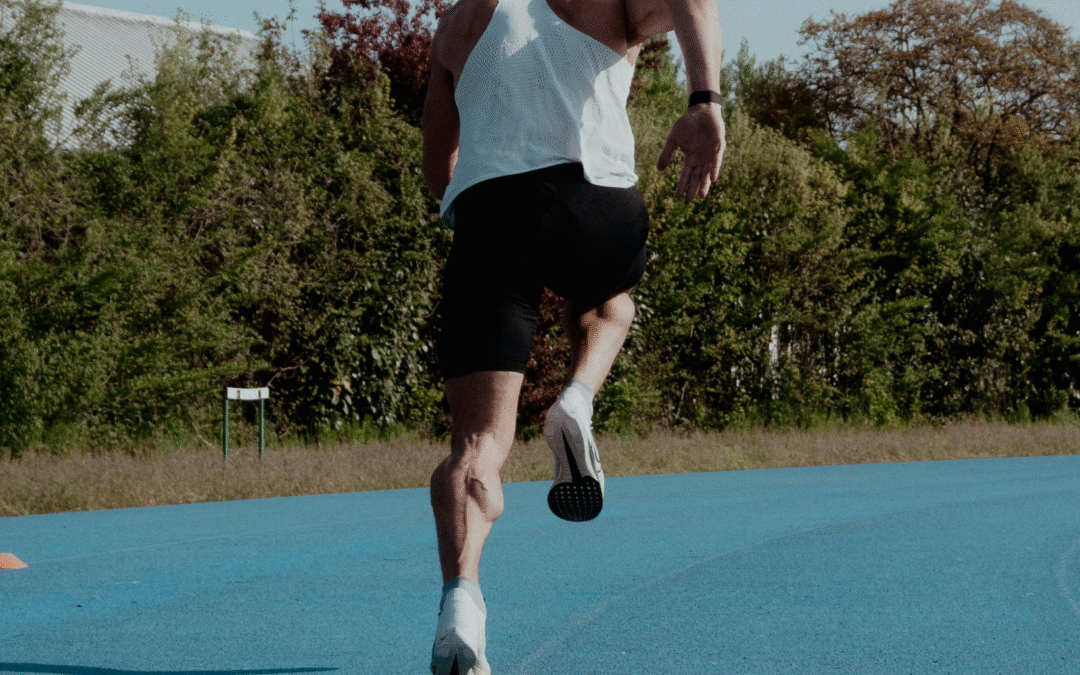
D1 sports training places athletes in an environment where talent, discipline, and pressure intersect every single day. The expectations are high. The schedules are intense. The margin for error can feel incredibly small.
For many athletes, this pressure does not just show up physically. It shows up emotionally and mentally as performance anxiety.
If you are involved in D1 sports training and find yourself feeling tense before competitions, overly self critical during practice, or mentally stuck when it matters most, you are not weak or broken.
You are responding to a system that constantly demands excellence while offering very little room for rest or emotional processing.
Performance anxiety is common in D1 sports training, and it is something that can be understood, managed, and softened with the right support. Sports psychology offers athletes practical tools to work with anxiety instead of fighting against it.
This guide explores how performance anxiety shows up in D1 sports training, how sports psychology can help, and what athletes can do to feel calmer, more focused, and more connected to their bodies when it counts.
What Causes Performance Anxiety in D1 Athletes and How Is It Different From Normal Nerves?
Some level of nervousness is normal in competitive sport.
In fact, mild nerves can sharpen focus and increase motivation. But performance anxiety in D1 sports training goes beyond typical pre game excitement.
Performance anxiety often develops when pressure becomes constant rather than situational. In D1 sports training, athletes are evaluated daily by coaches, teammates, staff, and sometimes the public. Scholarships, starting positions, and future opportunities may feel like they are always on the line.
Common contributors to performance anxiety in D1 sports training include:
- Fear of letting others down
- Identity being closely tied to performance
- Comparison with teammates or competitors
- Injury history or fear of reinjury
- Perfectionism and internal pressure
- High stakes competitions with limited recovery time
Unlike normal nerves, performance anxiety does not always disappear once the competition starts. It can linger throughout training cycles, disrupt sleep, affect confidence, and interfere with muscle memory.
In D1 sports training, anxiety can also become chronic because athletes are rarely given space to mentally decompress. The nervous system stays in a heightened state for long periods, making it harder to return to baseline.
Understanding this difference is important. Performance anxiety is not a failure of mindset. It is often a nervous system response to sustained pressure.
How Can Sports Psychology Help a D1 Athlete Manage Performance Anxiety?
Sports psychology focuses on the mental and emotional aspects of performance. In D1 sports training, this support can be just as important as physical conditioning.
Sports psychology helps athletes understand how thoughts, emotions, and physiological responses interact under pressure. Instead of trying to eliminate anxiety, athletes learn how to regulate it.
Through sports psychology, D1 sports training athletes can:
- Learn how anxiety shows up in their body
- Reframe unhelpful performance thoughts
- Build emotional resilience after mistakes
- Improve focus and present moment awareness
- Develop routines that support consistency under stress
One of the most powerful shifts sports psychology offers is moving away from outcome based thinking. In D1 sports training, athletes often focus heavily on results, stats, or selection. This can increase anxiety and reduce adaptability.
Sports psychology helps athletes redirect attention toward controllable processes. Breath, posture, pacing, and effort become anchors that ground the nervous system during competition.
Over time, this approach builds trust. Athletes begin to feel more stable internally, even when external pressure remains high.
What Are Common Signs That a D1 Athlete Is Struggling With Performance Anxiety?
Performance anxiety does not always look the same for every athlete. In D1 sports training, it can show up quietly and be mistaken for lack of motivation or inconsistency.
Common emotional signs include:
- Excessive self criticism after small mistakes
- Fear of being watched or judged
- Loss of confidence despite strong training
- Feeling detached or numb during competition
Common physical signs include:
- Muscle tightness or stiffness
- Shallow breathing or breath holding
- Nausea or stomach discomfort
- Racing heart or dizziness
Cognitive signs may include:
- Overthinking technique mid performance
- Difficulty staying present
- Intrusive thoughts about failure
- Mental blanks during key moments
In D1 sports training environments, athletes often push through these symptoms without addressing them. Over time, this can lead to burnout, injury risk, or emotional exhaustion.
Recognizing these signs early allows athletes to seek support before anxiety becomes overwhelming.
What Practical Techniques Can Athletes Use to Calm Anxiety Before Big Competitions?
Managing performance anxiety in D1 sports training does not require eliminating pressure. It involves learning how to work with the nervous system rather than against it.
Here are practical techniques commonly used in sports psychology that athletes can integrate into D1 sports training routines.
Breath regulation
Slow, controlled breathing signals safety to the nervous system. A simple technique is inhaling for four seconds and exhaling for six seconds for several minutes before competition. Longer exhales help reduce physiological arousal.
Pre performance routines
Consistent routines create predictability. Listening to the same music, stretching in a familiar sequence, or repeating grounding phrases can help the body recognize that it is prepared.
Attention anchoring
Focusing attention on one physical cue such as foot contact, grip pressure, or breath rhythm can interrupt spiraling thoughts during D1 sports training competitions.
Thought labeling
Instead of trying to stop anxious thoughts, athletes can label them. Noticing “this is anxiety” creates distance and reduces emotional intensity.
Visualization with regulation
Visualizing performance while maintaining slow breathing helps the nervous system associate competition scenarios with calm rather than threat.
Self compassion practices
Learning to respond to mistakes with kindness rather than punishment helps athletes recover faster during events. This is especially important in D1 sports training where expectations are high.
These techniques work best when practiced consistently, not only on competition days. Integrating them into daily D1 sports training builds familiarity and effectiveness.
Why Emotional Regulation Matters in D1 Sports Training
D1 sports training demands physical excellence, but emotional regulation is often what separates consistent performance from unpredictable outcomes.
When anxiety overwhelms the nervous system, fine motor skills, timing, and decision making are compromised. Athletes may know exactly what to do, but the body struggles to execute under stress.
Sports psychology supports emotional regulation by teaching athletes how to recognize early signs of dysregulation and respond with practical tools. This helps performance feel more automatic and less forced.
In D1 sports training, emotional regulation also supports longevity. Athletes who can manage pressure are less likely to burn out or disengage emotionally from their sport.
Frequently Asked Questions About Performance Anxiety in D1 Sports Training
Is performance anxiety a sign that I am not mentally tough enough?
No. Performance anxiety is a common response to sustained pressure. Mental toughness includes knowing when to seek support.
Can sports psychology help even if I am already performing well?
Yes. Many high performing D1 sports training athletes use sports psychology to improve consistency and recovery.
How long does it take to see improvement?
Some athletes notice small shifts quickly, while deeper changes develop over time with consistent practice.
Should I talk to my coach about performance anxiety?
If it feels safe, open communication can be helpful. Sports psychology support can also remain private if preferred.
Final Thoughts: You Are More Than Your Performance
D1 sports training asks a lot from athletes. It requires dedication, resilience, and constant growth. But your worth is not defined by a single performance, competition, or season.
Performance anxiety does not mean you are failing. It means your nervous system is responding to pressure that matters to you.
With sports psychology, D1 sports training athletes can learn to meet anxiety with understanding, skill, and compassion.
Over time, this creates a steadier foundation for both performance and wellbeing.
You deserve support that helps you feel grounded, confident, and connected to your body, not just pushed to perform at all costs.
Visit:
Northfield Office: 540 W Frontage Rd, Suite 2235 Northfield, IL 60093
Chicago Office: 307 N Michigan Ave, Suite 412 Chicago, IL, 60601
Reach Out:
Phone: (815)-496-0620
Email: intake@lakeshoretherapygroup.com